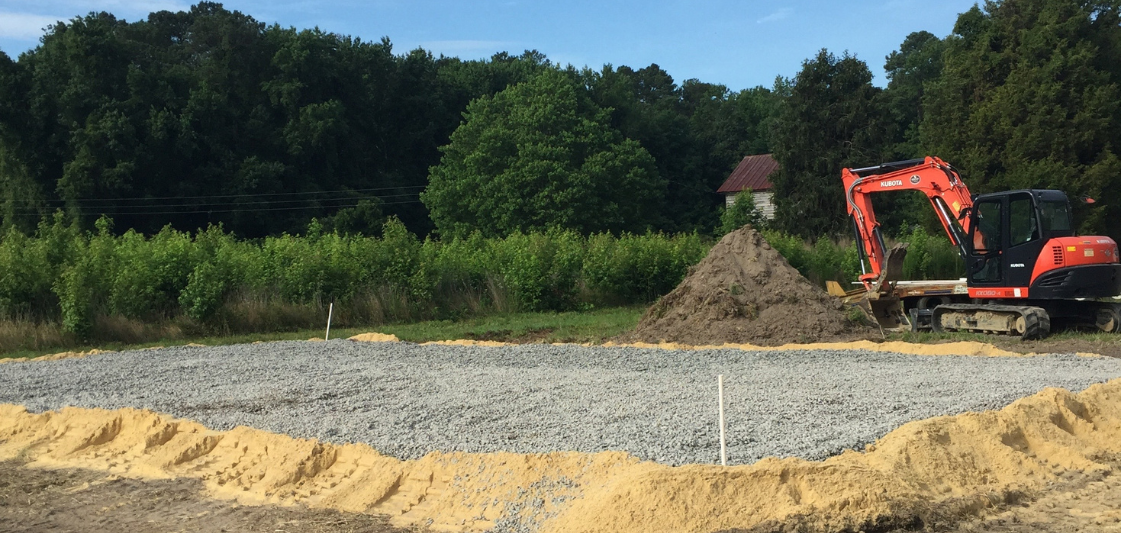
The start of a new year is a perfect time for homeowners to plan important property improvements and for many, that includes a new septic system installation. Whether you’re building a new home, replacing an aging system, or upgrading to meet current regulations, understanding the process ahead of time can help you avoid delays, unexpected costs, and unnecessary stress.
Here’s what homeowners should know when planning a septic installation in the new year.
Why Plan a Septic System Installation Early?
Septic system projects require more than just digging and installing a tank. Proper planning allows time for site evaluations, permitting, design approvals, and scheduling with experienced septic installers. Starting early in the year can also help you:
- Secure a spot on your contractor’s installation schedule
- Avoid peak construction season delays
- Address issues before system failure occurs
- Ensure compliance with local and state regulations
Planning ahead puts you in control of both timing and budget.
Understanding Your Septic System Needs
Every property is different, which means no two septic systems are exactly alike. Factors that influence system design and installation include:
- Soil conditions and drainage capabilities
- Lot size and layout
- Household size and daily wastewater usage
- Proximity to water sources or environmentally sensitive areas
The Importance of Hiring Licensed Septic Installers
Choosing the right installer is one of the most important steps in the process. Licensed and experienced septic installers understand the technical requirements, permitting process, and environmental considerations involved in proper installation.
A qualified contractor will:
- Conduct soil and site evaluations
- Handle required permits and inspections
- Install the system according to approved plans
- Ensure the system meets all health and safety standards
Working with a reputable septic contractor helps protect your investment and ensures your system operates reliably for years to come.
Permits, Design, and Timeline Expectations
Septic installations require approvals from local health departments or regulatory agencies. This process can take time, especially during busy seasons. Planning your septic installation early allows for:
- Timely completion of soil evaluations
- Proper system design and approval
- Scheduling installation when conditions are favorable
Your contractor can help guide you through this process and provide realistic expectations for your installation timeline.
Planning for Long Term Septic System Care
A new septic system is a long term investment. Proper maintenance after installation is key to protecting that investment and avoiding costly repairs down the road. Homeowners should plan for:
- Routine septic tank pumping
- Regular inspections
- Responsible water usage
- Prompt attention to leaks or drainage issues
Your septic contractor can provide maintenance recommendations tailored to your system and household needs.
Start the New Year with Confidence
Planning a new septic system installation doesn’t have to be overwhelming. With early planning, the right information, and a trusted contractor, homeowners can move forward with confidence knowing their system is designed for efficiency, compliance, and long term performance.
If you’re considering a septic installation this year, now is the time to start the conversation with experienced septic installers who can guide you through every step of the process.
Farmer’s Septic Service located in Mathews, VA provides comprehensive septic installation services backed by decades of experience. Contact our team to learn more about planning your septic system installation for the year ahead.
 12 Days of Septic Tips: A Homeowner’s Guide to Holiday Septic Care